
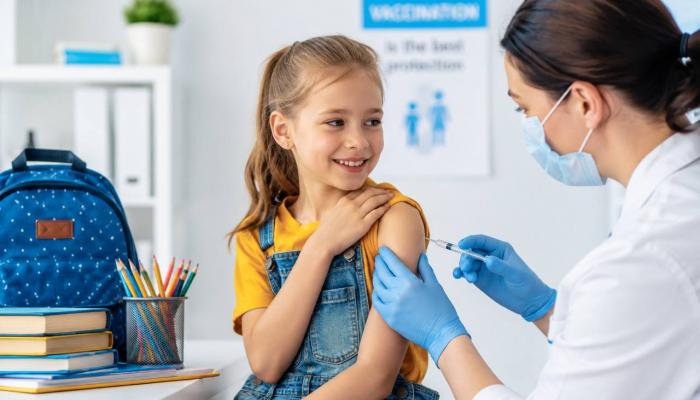
The beginning of the school year is not only about buying school uniforms, backpacks, and stationery. It is also a good opportunity to check whether your child has received all the recommended vaccinations and whether their immunizations are up to date for their age.
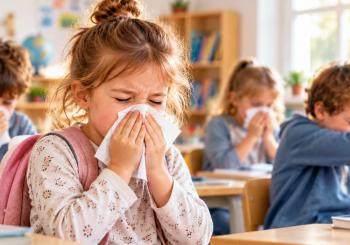
Children spend many hours together in kindergartens and schools. They interact closely, share classrooms, toys, and common areas, making it easier for certain infectious diseases to spread. Keeping vaccinations up to date helps reduce the risk of illness and protects not only your own child but also children who cannot receive certain vaccines for medical reasons.
Where to Start
The first step is to review your child's vaccination records and check which vaccines have already been administered. If some doses were missed, it is usually not necessary to restart the entire vaccination schedule. Instead, your doctor can create an individualized catch-up vaccination plan based on your child's age and previous immunizations.
If your family has recently moved to another country, it is especially important to show your child's vaccination records to a healthcare provider. Vaccine names and immunization schedules may differ between countries, and your doctor can determine how previous vaccinations fit into the local immunization program.
In Cyprus, childhood vaccinations are administered according to the national immunization schedule, so before the school year begins, it is advisable to review your child's vaccination status with a pediatrician or family doctor.
Which Vaccinations Are Especially Important?
One of the most important vaccines for school-aged children is the MMR vaccine, which protects against measles, mumps, and rubella. These infections are highly contagious, and measles, in particular, can lead to serious complications, including pneumonia and encephalitis.
It is also important to check vaccination against diphtheria, tetanus, and pertussis (whooping cough). Protection against some of these diseases decreases over time, so booster doses are recommended at certain ages. Polio vaccination should also be reviewed. If your child has not received all the recommended doses, your healthcare provider can determine which vaccinations are needed to complete the series. Another important vaccine is hepatitis B, a viral infection that affects the liver and can become chronic. Childhood vaccination remains one of the most effective ways to prevent this disease.
Depending on your child's age, country of residence, medical history, and individual risk factors, your doctor may also recommend vaccines against meningococcal disease, chickenpox (varicella), hepatitis A, human papillomavirus (HPV), and other infections.
What About the Flu Vaccine?
The school year begins just as respiratory infections start becoming more common. Influenza vaccination is recommended every year because the vaccine is updated annually to match the circulating strains of the virus.
For some children, the flu vaccine is especially important, particularly those with chronic medical conditions or other factors that increase the risk of complications. However, even healthy children can develop influenza and transmit the virus to family members. The best time to receive the influenza vaccine depends on local public health recommendations and the timing of the flu season, so it is advisable to discuss this with your healthcare provider in advance.
Should All Vaccinations Be Given Before September 1?
There is no need to try to administer every possible vaccine just a few days before school starts. Vaccines follow carefully designed schedules, and the intervals between doses are important for achieving the best protection.
If you discover that one or more vaccinations have been missed, there is no reason to panic. Your doctor will review your child's medical records and, if necessary, develop an appropriate catch-up immunization schedule. Parents should also avoid deciding on their own which vaccines are necessary or unnecessary. Recommendations depend on a child's age, overall health, previous vaccinations, travel history, and the current epidemiological situation.
What If Your Child Has Recently Been Ill?
A mild cold without a fever is not always a reason to postpone vaccination. However, if your child currently has a high fever, feels unwell, or is experiencing a flare-up of a chronic illness, the decision about vaccination should be made together with a healthcare provider.
Before administering any vaccine, a medical professional should evaluate the child's health and confirm that vaccination is appropriate at that time.
Why It's Better to Check Vaccinations Early
It is best not to leave this until the last day before school starts. Some vaccines require multiple doses given several weeks or months apart. In addition, your child may need a pediatric consultation or updated medical documentation before receiving certain vaccines.
The end of summer is an ideal time to review your child's immunization records, compare them with the recommended schedule for their age, and discuss with your healthcare provider whether any vaccinations or booster doses are needed.
The beginning of the school year is a great opportunity not only to prepare your child's backpack but also to review their overall health. Keeping vaccinations up to date helps protect children from serious infectious diseases and reduces the spread of infection within schools and childcare settings. The most important step is not to rely on someone else's vaccination schedule but to discuss your child's individual needs with a pediatrician.
https://medhelp24.com/EN/users/center-preventive-paediatrics-americos-argyriou