

Overview
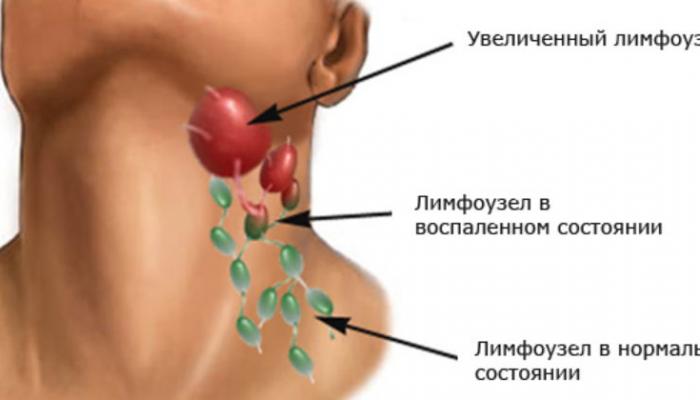
Swollen lymph nodes usually occur as a result of infection from bacteria or viruses. Rarely, swollen lymph nodes are caused by cancer. Your lymph nodes, also called lymph glands, play a vital role in your body's ability to fight off infections. They function as filters, trapping viruses, bacteria and other causes of illnesses before they can infect other parts of your body. Common areas where you might notice swollen lymph nodes include your neck, under your chin, in your armpits and in your groin. In some cases, the passage of time and warm compresses may be all you need to treat swollen lymph nodes. If an infection causes swollen lymph nodes, treatment depends on the cause.
Symptoms
Your lymphatic system is a network of organs, vessels and lymph nodes situated throughout your body. Many lymph nodes are located in your head and neck region. Lymph nodes that frequently swell are in this area, as well as in your armpits and groin area. Swollen lymph nodes are a sign that something is wrong somewhere in your body. When your lymph nodes first swell, you might notice:
- Tenderness and pain in the lymph nodes
- Swelling that may be the size of a pea or kidney bean, or even larger in the lymph nodes
Depending on the cause of your swollen lymph nodes, other signs and symptoms you might have include:
- Runny nose, sore throat, fever and other indications of an upper respiratory infection
- General swelling of lymph nodes throughout your body. When this occurs, it may indicate an infection, such as HIV or mononucleosis, or an immune system disorder, such as lupus or rheumatoid arthritis
- Hard, fixed, rapidly growing nodes, indicating a possible cancer or lymphoma
- Fever
- Night sweats
When to see a doctor
Some swollen lymph nodes return to normal when the underlying condition, such as a minor infection, gets better. See your doctor if you're concerned or if your swollen lymph nodes:
- Have appeared for no apparent reason
- Continue to enlarge or have been present for two to four weeks
- Feel hard or rubbery, or don't move when you push on them
- Are accompanied by persistent fever, night sweats or unexplained weight loss
Seek immediate medical care if you're having difficulty swallowing or breathing.
Causes
Lymph nodes are small, round or bean-shaped clusters of cells. Inside lymph nodes are a combination of different types of immune system cells. These specialized cells filter your lymphatic fluid as it travels through your body and protect you by destroying invaders. Lymph nodes are located in groups, and each group drains a specific area of your body. You may be more likely to notice swelling in certain areas, such as in the lymph nodes in your neck, under your chin, in your armpits and in your groin. The site of the swollen lymph nodes may help identify the underlying cause. The most common cause of swollen lymph nodes is an infection, particularly a viral infection, such as the common cold. Other possible causes of swollen lymph nodes include:
- Common infections
- Strep throat
- Measles
- Ear infections
- Infected (abscessed) tooth
- Mononucleosis
- Skin or wound infections, such as cellulitis
- Human immunodeficiency virus (HIV) — the virus that causes AIDS
- Uncommon infections
- Tuberculosis
- Certain sexually transmitted infections, such as syphilis
- Toxoplasmosis — a parasitic infection resulting from contact with the feces of an infected cat or eating undercooked meat
- Cat scratch fever — a bacterial infection from a cat scratch or bite
- Immune system disorders
- Lupus — a chronic inflammatory disease that targets your joints, skin, kidneys, blood cells, heart and lungs
- Rheumatoid arthritis — a chronic inflammatory disease targeting the tissue that lines your joints (synovium)
- Cancers
- Lymphoma — cancer that originates in your lymphatic system
- Leukemia — cancer of your body's blood-forming tissue, including your bone marrow and lymphatic system
- Other cancers that have spread (metastasized) to lymph nodes
Other possible but rare causes include certain medications, such as the anti-seizure medication phenytoin (Dilantin) and preventive medications for malaria.
Complications
If infection is the cause of your swollen lymph nodes and isn't treated, an abscess may form. Abscesses are localized collections of pus caused by infections. Pus contains fluid, white blood cells, dead tissue, and bacteria or other invaders. An abscess may require drainage and antibiotic treatment.