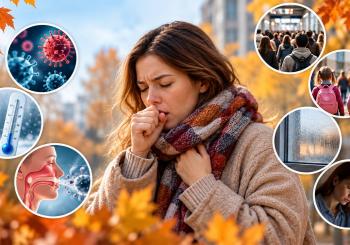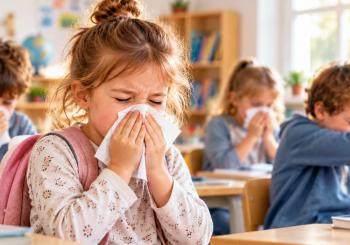

With the arrival of spring, many people notice sneezing, a runny nose, and watery eyes that don’t feel like a typical cold. In many cases, this is caused by an allergy to the pollen of trees and grasses. An allergy is not an infection but a reaction of the immune system to a harmless substance, such as flower pollen.
Main Symptoms
- Sneezing and runny nose. Frequent sneezing, a constantly runny or blocked nose, and throat irritation are common. Being around flowers or strong plant pollen can sometimes make these symptoms worse.
- Watery and itchy eyes. The eyes may become red, itchy, and sensitive. When exposed to sunlight or wind, they may start watering heavily. This condition is known as allergic conjunctivitis.
- Feeling of congestion. The nose may feel blocked and breathing can become noisier. Sometimes there is itching inside the nose or a tickling sensation in the throat due to mucus drainage.
- Fatigue and headaches. Persistent symptoms can interfere with sleep and rest, which is why many people experience weakness or headaches by the end of the day.
These signs are typical of seasonal allergies. They often appear in waves: symptoms may worsen in the morning and evening when warm air carries more pollen. If these symptoms occur at the same time every year (for example, in spring during tree pollination or in summer during grass pollination), it is most likely an allergy rather than a cold. The key thing to remember is that allergies are not contagious, although they can significantly affect your well-being.
What Helps Relieve the Symptoms
To reduce discomfort during the flowering season, try the following simple steps:
- Monitor pollen forecasts. Many websites and mobile apps provide daily pollen levels. Pollen counts are usually higher in the morning and during windy weather, so try to limit outdoor activities at those times.
- Limit pollen entering your home. Keep windows and doors closed during the day, especially during the blooming period of fruit and coniferous trees. If you use air conditioning or a fan, make sure it has a pollen filter to help clean the air from allergens.
- Rinse your nose and eyes. After spending time outdoors, gently rinse your nose with a saline solution (nasal rinse). This helps remove pollen and thick mucus. For the eyes, special eye drops available at pharmacies without a prescription can help reduce irritation. Even rinsing with clean water can relieve itching and redness.
- Change clothes and take a shower. After being outside, take a shower and change your clothes. Pollen can remain on your hair and clothing, and washing it off will help prevent irritation later in the evening or at night.
- Wear sunglasses and a mask. When outdoors, sunglasses or even a protective mask can help prevent pollen from entering your eyes and nose.
If you start taking preventive measures before symptoms become severe, it can significantly reduce allergic reactions. Doctors often recommend starting antihistamine medications before pollen levels become high in order to prevent strong symptoms.
When to See a Doctor
If home remedies and over-the-counter medications do not help, or if the symptoms are so severe that they interfere with sleep and daily activities, it is advisable to consult a doctor. A specialist may recommend allergy testing to identify specific allergens and may suggest immunotherapy. This is a long-term treatment that gradually reduces the body’s reaction to pollen. The doctor can also prescribe suitable medications and monitor the condition of your respiratory system.
The most important thing to remember is that allergies can be managed effectively. By monitoring pollen levels, taking medications on time, and following simple preventive measures, you can enjoy the beautiful spring season in Cyprus with minimal discomfort.