

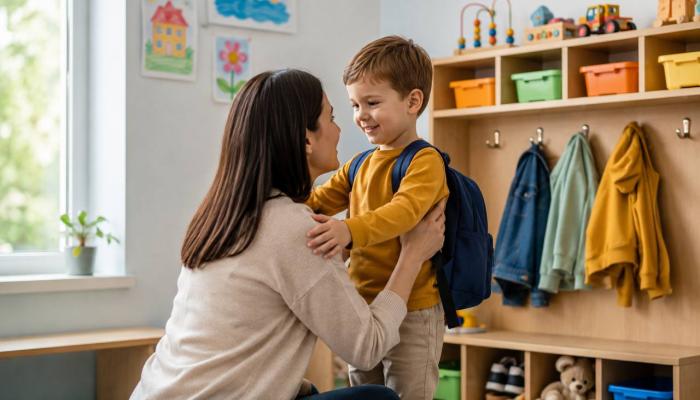
Summer holidays are often very different from a child’s usual daily routine. Late mornings, long evenings outdoors, family trips, beach days, exciting adventures, and very little structure quickly become the new normal. After such a carefree break, returning to kindergarten can be challenging. Children need to readjust to waking up early, following a daily schedule, being part of a group again, and adapting to rules that may not have seemed important during the summer.
To make the start of the new school year smoother, it is best to begin preparing in advance. This is especially important for children who are starting kindergarten for the first time or returning after a long break.
Gradually Restore a Familiar Routine
One of the most common challenges after the holidays is a disrupted sleep schedule. If your child has become used to going to bed late and waking up close to midday, changing this routine overnight will be difficult. Lack of sleep can lead to irritability, tearfulness, reduced concentration, and increased fatigue.
It is advisable to begin adjusting your child's schedule about two to three weeks before returning to kindergarten. Gradually move bedtime and wake-up time earlier by 10 to 20 minutes every few days. This gradual approach allows the body to adapt without unnecessary stress.
It is also helpful to restore the daytime routine. If your child’s kindergarten includes a nap or quiet time, try to reintroduce this habit at home. Your child does not necessarily have to sleep—quiet activities such as reading, drawing, or simply relaxing can help prepare them for the daily routine.
Re-establish Healthy Eating Habits
During the summer, children's eating habits often become less structured. Ice cream, snacks during outings, late dinners, and meals away from home can easily disrupt their usual schedule.
Before kindergarten starts, try to return to meal times that closely resemble the kindergarten routine. Having breakfast, lunch, an afternoon snack, and dinner at approximately the same time each day will make the transition much easier.
Breakfast deserves particular attention. Many children find it difficult to eat immediately after waking, especially if they have become accustomed to sleeping late. Gradually adjusting the morning routine usually makes breakfast easier. The meal should be familiar, nutritious, and satisfying without being too heavy.
Adequate hydration is equally important. In the hot climate of Cyprus, especially during the end of summer, children lose more fluids through heat and active outdoor play. Before returning to kindergarten, encourage your child to develop the habit of drinking water regularly rather than waiting until they feel thirsty.
Prepare Your Child Emotionally
After a long holiday, many children simply do not want to return to kindergarten. This does not necessarily mean that they dislike it. More often, they are reluctant to leave behind their parents, their flexible summer routine, and the freedom they have been enjoying.
Avoid dismissing their feelings with phrases such as "It's nothing to worry about" or "All children go to kindergarten." Instead, have calm conversations about returning. Talk about their friends, teachers, favorite games, and activities they enjoyed before the holidays.
If your child seems worried, encourage them to explain what is making them anxious. Sometimes reluctance to return is linked to a very specific concern, such as separation from parents, conflict with another child, difficulties using the toilet, eating meals, or taking daytime naps.
Conversations about kindergarten should be relaxed and pressure-free. Rather than constantly reminding your child how many days remain until the first day, gradually make kindergarten part of everyday conversations again.
Encourage Independence
During the holidays, parents naturally tend to help their children more than usual. This is perfectly normal. However, before kindergarten begins, it is helpful to encourage independence once again.
Whenever possible, children should be able to eat, drink, use the toilet, wash their hands, get dressed, and tidy up their belongings on their own. Expectations vary depending on the child's age and the kindergarten's requirements.
There is no need to turn this into a test. Instead, encourage independence through everyday activities. Let your child choose tomorrow's clothes, tidy up their toys after playing, or help pack their bag for an outing.
These simple habits not only make life easier for teachers but also help children develop confidence in their own abilities.
Increase Daily Demands Gradually
After the holidays, spending a full day at kindergarten may feel exhausting, even for children who previously adapted well. Following a long break, the body and nervous system need time to readjust.
During the first few days, increased tiredness, mood changes, sleepiness, or even unusual excitement in the evening are perfectly normal reactions to the change in routine.
After kindergarten, avoid scheduling too many additional activities. Children need calm evenings, adequate sleep, and time to recover.
If possible, postpone extracurricular classes, sports activities, and busy social schedules during the first few weeks. The body and nervous system need time to adapt to the new rhythm.
Don't Forget About Your Child's Health
Before the school year begins, it is worthwhile paying attention to your child's overall health. If they experienced frequent colds, excessive fatigue, sleep problems, poor appetite, or digestive issues during the summer, discuss these concerns with your pediatrician.
It is also a good time to check your child's dental health, skin, vision, and hearing if routine examinations have not been performed recently. Before returning to kindergarten, make sure your child has received all age-appropriate vaccinations according to your doctor's recommendations and the local immunization schedule.
Avoid giving vitamins, immune boosters, or other supplements "to prevent colds" without medical advice. For most healthy children, a balanced diet, sufficient sleep, regular physical activity, and good hygiene are all that is needed.
After the summer holidays, it is equally important to reinforce regular handwashing after outdoor play, after using the toilet, before meals, and after contact with animals. These simple habits are particularly valuable in group settings where respiratory and gastrointestinal infections spread easily.
If Your Child Becomes Ill Before Returning
Do not send your child to kindergarten if they have symptoms of an acute infection, a high fever, or generally feel unwell simply because it is time to return. The body needs time to recover fully after illness.
Children who return too early often become tired more quickly and struggle to cope with daily activities. In addition, some infections remain contagious even after symptoms begin to improve.
If you are unsure whether your child has recovered sufficiently to return to kindergarten, consult your pediatrician.
The First Day Back
Try to keep the morning calm and relaxed. Prepare clothes, shoes, backpacks, and everything else your child will need the night before to avoid unnecessary rushing.
Saying goodbye at kindergarten should be brief, calm, and confident. Long emotional farewells often increase anxiety. Children benefit from seeing that their parents trust them and believe they will manage well.
A simple statement such as, "I know you may feel a little nervous. You'll play, have lunch, enjoy your day, and then I'll come to pick you up," can be very reassuring. Children feel more secure when they understand what will happen next.
Avoid promising to return "in five minutes" if that is not true. Instead, use reference points your child understands, such as after outdoor play, after lunch, or after nap time.
What If Your Child Cries?
Crying during separation after the holidays is very common. By itself, it does not mean that your child dislikes kindergarten.
What matters most is how your child behaves after you leave. If they calm down fairly quickly, begin playing, and participate in group activities, the issue is usually limited to the separation itself.
However, if severe anxiety continues for a prolonged period, your child consistently refuses to eat or sleep, becomes unusually withdrawn, or their fear of kindergarten grows stronger every day, it is important to speak with their teacher and discuss the situation with a pediatrician or child psychologist.
The Most Important Thing to Remember
Returning to kindergarten after the summer holidays should not feel like an abrupt transition from complete freedom to a strict schedule.
The more gradually parents restore their child's routine for sleep, meals, and daily activities, the easier the adjustment will be.
Equally important is maintaining a positive attitude toward kindergarten, respecting your child's emotions, and avoiding unrealistic expectations of instant adaptation. Some children adjust within a few days, while others may need several weeks.
The goal is not to make the transition completely stress-free. Rather, it is to help your child feel safe, gradually regain a familiar routine, and understand that life after the holidays is not becoming worse. Instead, it simply means welcoming back friends, games, learning opportunities, and the comforting rhythm of everyday kindergarten life.