

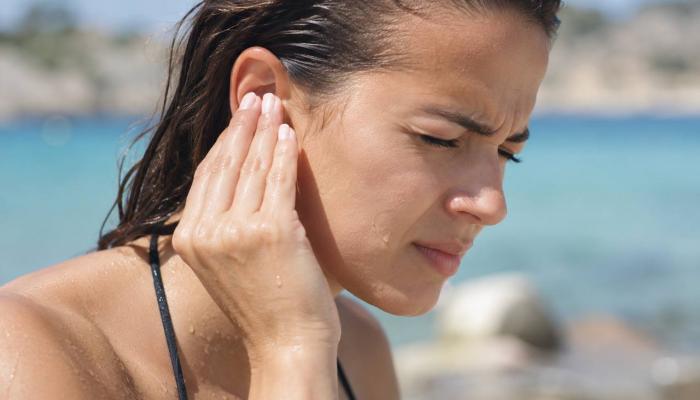
The summer season is difficult to imagine without spending time at the beach, swimming in the sea, a pool, or a lake. While swimming is one of the best ways to stay cool during hot weather, it is also the time of year when otolaryngologists see a significant increase in patients with inflammatory ear conditions. The most common diagnosis is otitis externa, often referred to as "swimmer's ear." According to research, up to 90% of cases of otitis externa occur during the warmer months, and regular swimming increases the risk of developing the condition several times over.
Although most cases respond well to treatment, inflammation can spread deeper into the ear if left untreated, causing severe pain, temporary hearing loss, and, in some cases, serious complications. For this reason, it is important to understand why otitis develops after swimming, how to recognize its early symptoms, and what measures can help prevent it.
Why Does Otitis Develop After Swimming?
Under normal conditions, the external ear canal is protected by a thin layer of earwax (cerumen). In addition to helping keep the ear clean, earwax creates a slightly acidic environment that inhibits the growth of bacteria and fungi.
During prolonged exposure to water, this natural protective barrier is gradually washed away. If moisture remains trapped inside the ear canal after swimming, the skin becomes softened and more vulnerable to microscopic injuries. Through these tiny breaks in the skin, harmful microorganisms can easily penetrate and multiply in the warm, moist environment.
The risk of infection increases significantly after swimming in pools with inadequate water treatment, freshwater lakes, or contaminated coastal waters. Another important risk factor is the habit of cleaning the ears with cotton swabs, as they often damage the delicate skin of the ear canal while simultaneously removing its natural protective layer of earwax.
What Type of Otitis Occurs After Swimming?
The condition most commonly associated with water exposure is otitis externa, an inflammation of the skin lining the external auditory canal. It is primarily caused by the bacteria Pseudomonas aeruginosa and Staphylococcus aureus. Less commonly, the condition results from a fungal infection, particularly in individuals who have received prolonged antibiotic therapy or who have weakened immune systems.
By contrast, otitis media, in which inflammation develops behind the eardrum, is much less commonly related to swimming. It usually occurs as a complication of viral upper respiratory tract infections rather than direct water exposure.
Early Symptoms
The condition rarely begins suddenly. In most cases, the first symptoms are mild itching inside the ear or the sensation that water remains trapped in the ear canal. Many people pay little attention to these early signs, although treatment is most effective at this stage.
As the inflammation progresses, pain gradually develops and becomes more intense. A characteristic feature of otitis externa is tenderness when pressure is applied to the tragus or when the outer ear is gently pulled. Swelling narrows the ear canal, often causing a feeling of blockage and temporary hearing loss.
As the inflammation becomes more severe, ear discharge, an unpleasant odor, and fever may also develop.
Who Is at Increased Risk?
Some individuals experience otitis much more frequently than others because of differences in the structure of the ear canal or underlying medical conditions.
The risk is particularly high among professional swimmers, children, people with diabetes, chronic skin disorders, allergies, and weakened immune systems. Children are especially susceptible because their ear canals are narrower and they tend to touch their ears more frequently.
What Should You Do at the First Signs?
If pain, itching, or a blocked-ear sensation develops after swimming, it is important not to attempt to remove trapped water using sharp objects or cotton swabs. Such actions may further damage the skin and accelerate the progression of infection.
In most cases, it is sufficient to gently dry the outer ear with a soft towel and allow any remaining moisture to evaporate naturally. If the pain becomes more severe or persists for longer than twenty-four hours, an examination by an otolaryngologist is recommended. After evaluating the ear, the physician will determine the nature of the inflammation and, if necessary, prescribe ear drops containing antibacterial, antifungal, or anti-inflammatory medications. In cases of significant swelling, a small medicated ear wick may be inserted to ensure that the medication reaches the affected area of the ear canal.
Self-treatment with antibiotics or the use of any ear drops without medical examination is not recommended, particularly if there is any possibility of a perforated eardrum.
When Should You Seek Medical Attention Immediately?
Certain symptoms require prompt medical evaluation. Severe throbbing ear pain, high fever, significant hearing loss, the appearance of pus or bloody discharge from the ear, or the absence of improvement after several days of treatment should all prompt immediate consultation with a physician.
Individuals with diabetes or severe immune suppression should be especially cautious, as ear infections may progress more aggressively and, in rare cases, spread to the surrounding tissues.
How Can Otitis After Swimming Be Prevented?
Prevention remains the most effective form of protection. After every swim, the outer ears should be gently dried with a soft towel, and the head should be tilted from side to side to allow any trapped water to drain naturally from the ear canal. People who swim regularly, particularly competitive swimmers, may benefit from using silicone earplugs or wearing a swimming cap.
The ear canal should not be cleaned with cotton swabs because earwax serves as the ear's natural protective barrier. It is also advisable to avoid swimming in bodies of water with questionable water quality or in swimming pools where hygiene standards are inadequate.
For individuals who frequently develop otitis externa, physicians may recommend preventive ear drops after swimming. These preparations help remove residual moisture while maintaining the normal acidity of the ear canal, thereby reducing the risk of bacterial growth.
Key Points to Remember
Otitis after swimming is one of the most common health problems during the summer months, affecting thousands of people every year. In most cases, the condition develops because moisture, disruption of the skin's protective barrier, and bacterial invasion occur simultaneously. When treatment is started promptly, recovery is usually complete and without long-term consequences. However, self-treatment or ignoring the first symptoms may result in complications.
Following simple preventive measures, treating the ears with care, and seeking medical attention promptly if pain or hearing loss develops can significantly reduce the risk of otitis and help ensure a safe and healthy summer.