

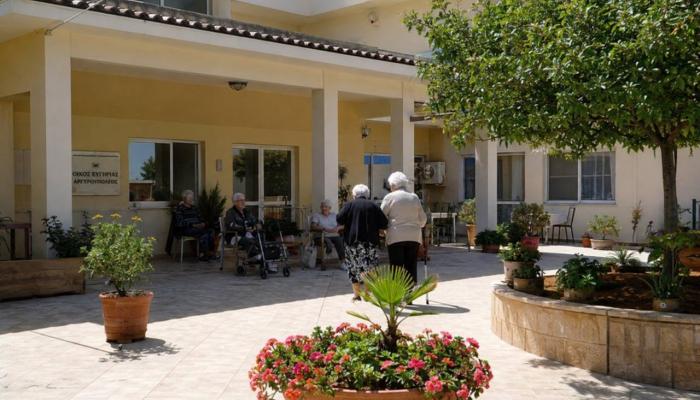
As life expectancy continues to increase, the issue of providing high-quality care for older adults is becoming increasingly important. In Cyprus, the nursing home system has been developing for several decades, combining government oversight, private initiative, and medical support. Today, dozens of specialized facilities operate across the country, offering various accommodation options for elderly individuals who require anything from minimal assistance to full-time care.
How the Nursing Home System Works
Most nursing homes in Cyprus are privately operated; however, their activities are regulated by the government. Facilities are required to comply with the standards established by the Ministry of Labour and Social Insurance and undergo regular inspections to ensure quality of care, sanitary conditions, and resident safety.
There are both small family-run care homes accommodating a few dozen residents and large modern facilities offering an expanded range of medical and social services. Many nursing homes are located in quiet areas near the sea or green spaces, creating a comfortable and supportive environment for older adults.
Living Conditions
Modern Cypriot nursing homes strive to provide living conditions that closely resemble a home environment. Residents are offered private or shared rooms equipped with furniture, air conditioning, staff call systems, and bathroom facilities.
Particular attention is given to accessibility. Buildings are equipped with ramps, handrails, elevators, and specialized equipment for individuals with limited mobility. The grounds typically include walking paths, gardens, and areas for relaxation and social interaction.
Meals are planned according to residents' age and health conditions. Special dietary menus may be provided for individuals with diabetes, cardiovascular diseases, or other chronic health conditions.
Medical Care
One of the key components of nursing home services is medical support. Most facilities employ caregivers and healthcare professionals around the clock to monitor medication schedules, assist with daily activities, and oversee residents' health conditions.
Physicians visit nursing homes regularly or on request. When necessary, specialist consultations, laboratory tests, and hospital referrals can be arranged. Special attention is given to residents with dementia, Alzheimer's disease, stroke-related conditions, and other health issues requiring continuous supervision.
For many elderly residents, an important advantage is Cyprus's participation in the General Healthcare System (GeSY), which allows certain medical services to be provided under favorable conditions.
Social Life and Psychological Support
Modern nursing homes have evolved far beyond being simply places for accommodation and care. Many facilities organize therapeutic exercise classes, creative workshops, music evenings, board games, and group walks.
Maintaining social activity helps reduce the risk of depression, loneliness, and cognitive decline. Some nursing homes collaborate with volunteer organizations, schools, and local communities, helping elderly residents maintain meaningful connections with society.
Psychological support has also become an important component of care, especially for individuals who struggle with major life changes or the loss of loved ones.
Cost of Residence
The cost of residence depends on the region, the level of the facility, and the amount of care required. On average, fees can range from several hundred to several thousand euros per month. The most expensive facilities are those that provide round-the-clock medical supervision and specialized care for residents with severe chronic illnesses.
In certain cases, families may qualify for government support programs or social benefits if the elderly person meets the established eligibility criteria.
Advantages of Cypriot Nursing Homes
One of the main advantages of the system is the combination of a mild Mediterranean climate, a high level of safety, and a relatively relaxed lifestyle. Warm weather throughout most of the year allows elderly residents to spend more time outdoors, which has a positive effect on both physical and emotional well-being.
In addition, Cyprus has traditionally maintained a strong culture of respect for older generations, which is reflected in its approach to elderly care. Many facilities focus not only on medical assistance but also on preserving each resident's dignity, independence, and overall quality of life.
Conclusion
The nursing home system in Cyprus continues to develop and gradually adapt to the growing needs of an aging population. Modern facilities offer not only accommodation and basic care but also comprehensive medical support, social engagement, and psychological assistance.
For many elderly individuals, nursing homes become places where they can receive the help they need while maintaining comfort, safety, and a dignified quality of life.
https://medhelp24.com/EN/users/dr-georgios-mitrou-md-mphd-msc