
Why Dehydration Occurs
Dehydration is a condition in which the body loses more fluids than it takes in. Along with water, the body also loses essential electrolytes such as sodium, potassium, and chloride, which are necessary for the normal functioning of the heart, nervous system, and muscles.
Dehydration most commonly develops during hot weather, intense physical activity, fever, vomiting, diarrhea, or insufficient fluid intake. Even a few hours without adequate hydration in high temperatures can lead to a noticeable decline in well-being, particularly among individuals at higher risk.
According to the World Health Organization and studies published in The Lancet and the New England Journal of Medicine, dehydration remains one of the leading reasons for emergency medical care among young children and older adults, especially during the summer months.
Why Children Become Dehydrated More Quickly
A child's body contains a significantly higher percentage of water than that of an adult. At the same time, children have a faster metabolism and relatively smaller fluid reserves. Water losses caused by fever, active play, or gastrointestinal infections occur more rapidly than they can be replaced.
Infants and young children cannot always communicate that they are thirsty, making them entirely dependent on adults to provide adequate fluids. In addition, children overheat more quickly, particularly when exposed to direct sunlight or poorly ventilated environments. Early symptoms may appear mild. A child may become less active, play less, refuse food or drinks, and seem unusually tired. Gradually, dry lips and tongue, crying without tears, infrequent urination, and dark-colored urine may develop. In infants, the soft spot (fontanelle) on the head may become sunken.
Severe dehydration can lead to excessive sleepiness, cold hands and feet, a rapid heartbeat, difficulty waking the child, and altered consciousness. This is a medical emergency that requires immediate professional attention.
Why Older Adults Are at Higher Risk
As people age, the sensation of thirst gradually diminishes. Many older adults simply do not feel the need to drink, even when their bodies are already significantly dehydrated.
Additional risk factors include heart disease, diabetes, kidney disease, the use of diuretic medications, limited mobility, and cognitive impairment. Some individuals intentionally drink less because they worry about frequent urination or urinary incontinence. Even mild dehydration can cause low blood pressure, dizziness, weakness, confusion, and impaired balance. This is one of the reasons why falls and hospital admissions among older adults increase significantly during the summer.
Research also indicates that inadequate hydration raises the risk of blood clots, impairs kidney function, and may contribute to heart rhythm disturbances.
Symptoms That Should Never Be Ignored
Regardless of age, several warning signs should always be taken seriously. These include intense thirst, dry mouth, reduced urine output, dark-colored urine, weakness, headache, dizziness, and unusual fatigue. As dehydration progresses, symptoms may include a rapid heartbeat, low blood pressure, excessive drowsiness, confusion, seizures, and loss of consciousness.
If a person is unable to drink because of vomiting, impaired consciousness, or severe weakness, medical attention should be sought immediately.
What to Do at the First Signs of Dehydration
The primary goal is to replace lost fluids gradually. Plain drinking water and oral rehydration solutions containing the appropriate balance of salts and glucose are the best choices. These solutions are particularly effective during episodes of vomiting and diarrhea because they help restore both fluids and electrolytes more efficiently.
It is not advisable to drink a large volume of fluid all at once. Instead, small amounts should be consumed frequently over short intervals. In hot weather, the affected person should be moved to a cool environment, excess clothing should be removed, fresh air should be provided, and their condition should be monitored carefully.
When Immediate Medical Attention Is Needed
Certain situations require urgent medical evaluation. In children, warning signs include unusual drowsiness, refusal to drink, prolonged absence of urination, or marked lethargy.
In older adults, confusion, severe dizziness, fainting, a sudden drop in blood pressure, seizures, or an inability to drink fluids independently are all signs that require immediate medical care. Medical attention is also necessary if vomiting or diarrhea continues for more than 24 hours, if a high fever persists, or if symptoms of dehydration worsen rapidly.
How to Prevent Dehydration
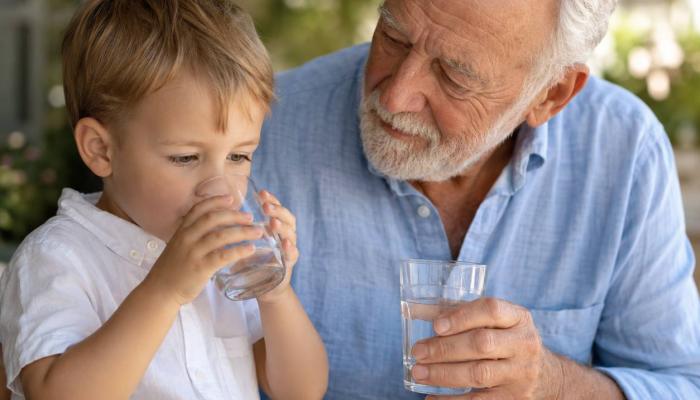
Prevention is much easier than treatment. During hot weather, children and older adults should be encouraged to drink water regularly, even if they do not feel thirsty. Waiting until the mouth feels dry is not recommended, as this is already one of the earliest signs of dehydration.
During periods of extreme heat, it is advisable to avoid prolonged sun exposure between 11 a.m. and 4 p.m., wear lightweight clothing made from natural fabrics, use hats or other head coverings, and spend more time in cool indoor environments. During illnesses accompanied by fever, vomiting, or diarrhea, the body's fluid requirements increase significantly, making adequate hydration especially important. Sugary soft drinks and alcohol should not be used to replace lost fluids.
Particular attention should be given to people who live alone. Regular check-ins by family members, neighbors, or caregivers during periods of hot weather can help identify early signs of dehydration and prevent serious complications.
A Simple Measure That Can Protect Health
Dehydration often develops gradually and may go unnoticed, yet its consequences can be severe. Children and older adults require particular attention because their condition can deteriorate within just a few hours. Maintaining adequate fluid intake, recognizing the early warning signs, and seeking prompt medical care when necessary can prevent most complications and help protect health, even during the hottest days of the year.