
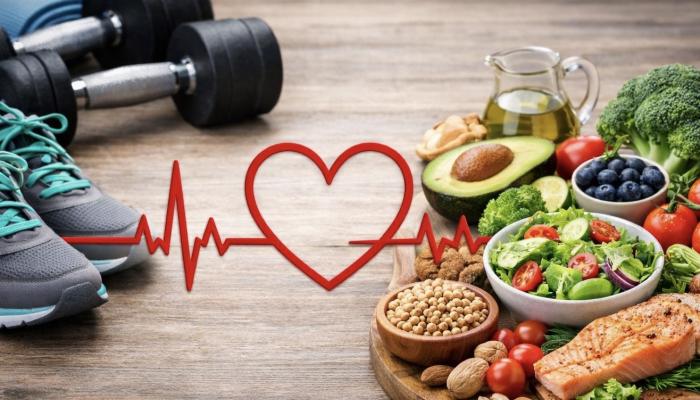
Proper nutrition and regular movement truly extend life,
and modern medicine no longer treats this as a hypothesis for debate but as an established fact supported by dozens of large studies conducted across different countries and diverse populations. Today, diet and physical activity are considered the primary factors of longevity, while genetics, contrary to popular belief, accounts for only about a quarter of how long a person ultimately lives. Importantly, the focus is not only on the number of years lived, but on how many of those years a person remains active, independent, and functional - what science refers to as healthspan — and this is precisely where lifestyle plays a decisive role.
The largest studies of recent decades agree that there is no “magic food” capable of extending life on its own, but there is a dietary pattern that is consistently and predictably associated with lower mortality and a reduced risk of chronic diseases. The most convincing evidence has been gathered around the Mediterranean style of eating, typical of countries such as Greece, Italy and Spain, where meals are built around vegetables, fruits, legumes, whole grains, olive oil, and fish, with minimal processed food, and this structure of diet is associated with a roughly 20–25% reduction in overall mortality along with a noticeably lower risk of cardiovascular, oncological, and neurodegenerative diseases.
A similar pattern is observed in the so-called Blue Zones - regions with the highest concentration of long-lived people - where up to 90–95% of the diet consists of plant-based, minimally processed foods, and this model of eating demonstrates a lower risk of premature death even when people adopt it after the age of forty to forty-five, as research shows that dietary changes at this stage of life can add, on average, about three extra years.
At the same time, the data are equally clear about dietary factors that increase the risk of early death, consistently pointing to ultra-processed foods, excessive sugar, trans fats, and a lack of fiber, since their regular consumption is directly linked to chronic inflammation, metabolic disruption, and the acceleration of aging processes at the cellular level.
Nutrition affects the rate of aging through specific biological mechanisms,
including the reduction of chronic inflammation and oxidative stress, improved DNA stability, and the regulation of key aging pathways such as mTOR, AMPK, insulin, and IGF-1, which means that food literally influences how quickly our cells age and how long the body can maintain the normal function of tissues and organs.
While the link between diet and longevity may seem intuitive, the data on physical activity are often even more striking, as meta-analyses show that higher levels of movement are associated with a 40–50% lower risk of death, and what is particularly interesting is that the greatest benefit is observed not among athletes but among those who simply transition from complete inactivity to moderate levels of movement, since as little as 60 - 100 minutes of activity per week already produces statistically significant results, and even light activity such as walking and everyday movement reduces mortality risk by about 15%.
Physical activity has a powerful impact on the body by improving insulin sensitivity, reducing inflammatory processes, enhancing mitochondrial function, stimulating autophagy - the body’s natural cellular “clean-up” process - and slowing age-related muscle loss, all of which are directly linked to slower biological aging.
It is especially important that nutrition and movement reinforce each other,
as studies show that their impact works not by simple addition but by synergy, and people who combine a high-quality diet with regular movement have a significantly lower risk of cardiovascular disease, cancer, and overall mortality, a pattern clearly visible in long-term studies lasting twenty to thirty years.
Estimates from different studies converge on the idea that regular physical activity can add an average of two to four years of life, dietary improvement contributes about three years, and the combination of these factors may provide up to ten additional years of healthy, active living, with the particularly valuable insight being that meaningful results come not from drastic changes but from small daily actions, such as a few extra minutes of movement, an additional serving of vegetables, and a slight reduction in sugar, which over time translate into a substantial difference in both lifespan and quality of life.
https://medhelp24.com/EN/users/andreou-physiotherapy-pilates-center